 ZEROCREASE
Sneaker sizing and width guide: getting fit right first time
Online sneaker sizing fails most often when shoppers trust a single US tag number across brands instead of matching millimeter foot length and toe-box shape. Footwear standards generally build the inner shoe cavity roughly 15 mm longer than the bare foot so toes never slam the front wall during motion, while left and right feet regularly differ slightly in length.1 Combine millimeter Mondopoint or Japanese centimeter sizing with half-size adjustments when switching from roomy heritage runners to tapered court retros.1
The short version
- Stand to measure
- Trace or measure barefoot with weight spread evenly on both heels because arches flatten slightly under load.1
- Fit the longer foot
- Always buy for your larger foot since subtle left-to-right differences are completely normal across adults.1
- Toe-box clearance
- Expect roughly 15 mm of internal clearance between your longest toe and the end of the cavity on athletic shoes.1
- Width letters
- North American Brannock lasts grade standard men's widths as D medium, E wide, and EE extra wide.1
- Half-size rule
- Since production sizes step in half-size intervals, wide feet often gain needed girth simply by moving up half a US size.1
| Lane | Summary | Example pick | Price | Store, read |
|---|---|---|---|---|
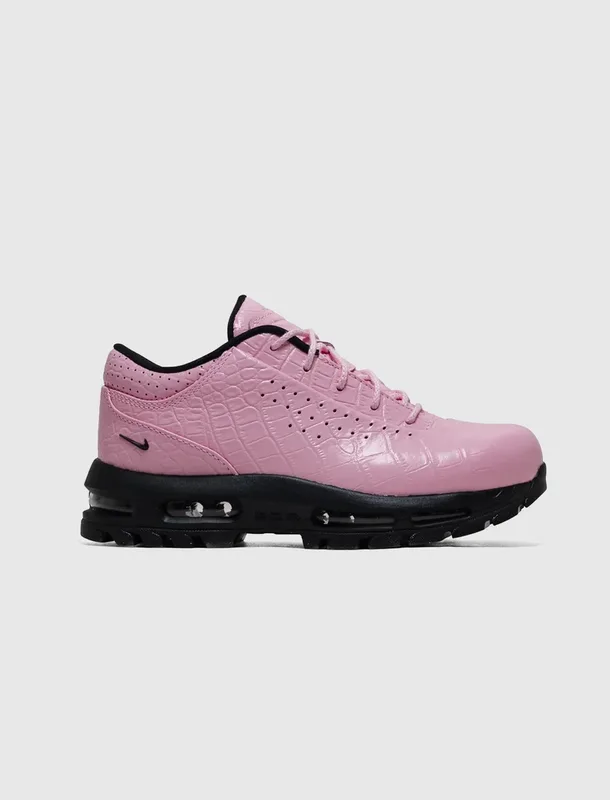
| Forgiving mesh & suede runners | Soft mesh and brushed suede adapt comfortably over wider arches. | NIKE AIR MAX GOADOME LOW | $175 | A Ma Maniere, 2026-11-16 |
| Low-top court & cupsole staples | Check European/Millimeter sizing on stiff leather cupsoles. | Air Force 1 '07 - Triple White | $115 | Feature, 2026-11-16 |
| Retro basketball & high collars | Wide feet should evaluate half-size bumps on narrow leather retros. | Air Jordan 1 Infants Low Shoes | $60 | Extra Butter, 2026-11-16 |
Three lengths hidden behind one size tag
Every shoe box stamp conceals three distinct physical measurements that brands blend differently across factories: bare foot length on a flat scale, the hollow inner cavity length inside the finished lining, and the wooden or composite "last" mold used during assembly.1 Two sneakers sharing an identical US box label can feel miles apart because runners curve sharply upward at the toe spring while flat skate cupsoles taper inward above the pinky toe.
Stand barefoot with weight distributed equally over both feet against a wall when measuring your actual millimeter length.1 Remember that human feet are rarely symmetric: if one heel-to-toe measurement exceeds the other even slightly, choose the size serving the longer foot. Adding a thick athletic crew sock eats extra internal girth quickly, whereas thin dress socks expose heel slip on wide collars.
| Sizing concept | How brands measure | Key fit note |
|---|---|---|
| Bare foot length | Heel to longest toe standing | Fit the slightly larger foot cleanly1 |
| Inner cavity room | Roughly 15 mm over foot length | Prevents front toe crush during movement1 |
| Shoe last range | 13 to 25 mm over adult foot | Narrow vs wide molds fit totally differently1 |
| North American width | D medium, E wide, EE extra-wide | Most sneakers ship medium D, using half-sizes for extra girth1 |
Brannock width letters, lasts, and toe shape
North American retail sizing uses letter suffixes inherited from Brannock device standards: B for narrow, D for regular medium men's lasts, E for wide, and EE or higher for extra-wide forefoots.1 Most hype retro Jordans, SB Dunks, and European court sneakers ship strictly in standard medium D width, forcing wide-footed collectors to adjust length up by half a step to buy extra ball girth because mass-produced lines move in half-point increments.1
Last lengths routinely add between 13 and 25 mm past bare adult foot length depending on how sharply the toe box narrows past the metatarsal heads.1 Rounded running shapes such as thick suede New Balance heritage series distribute that extra volume wide across the forefoot, whereas low-profile retro court trainers taper inward earlier. Comparing EU, UK, and US millimeter conversion rows eliminates guesswork far better than relying on vague true-to-size forum slogans.
How common sneaker constructions fit out of the box
- Leather Retro Basketball (AJ1 High, AJ3, AJ4). Rigid smooth or patent leather needs wear hours to crease into your forefoot, and bulky tongue foam can pin thick insteps down unless laced loose across the bottom rows. Wide feet regularly appreciate moving up a half step in narrow molds like Jordan 4s.1
- Skate Padded Dunks and Vulcanized Lows. Double-padded tongues and elastic centering straps hug the midfoot tightly at retail so board feel stays planted. Look closely at forefoot pinch during your initial carpet try-on before removing factory tags.2
- Heritage Mesh and Suede Runners. Soft breathable suede and open mesh adapt faster over bony bunions or high arches while leaving comfortable room at the front wall.31
- Minimalist Court Leather. Flat European stitch-down cupsoles often run slightly long in the toe yet narrow through the waist, so check Mondopoint centimeter tags first to align length within standard 5 mm casual grading intervals.1
Across our 418 catalog pairs tracked on 2026-11-16, 78% of cut-labeled silhouettes are low-tops and 18% are high-tops, giving shoppers plenty of collar heights to match ankle bone comfort.
Safe carpet try-on habits before keeping pairs
Never test a doubtful size on concrete sidewalks first. Lace both shoes cleanly indoors over clean socks, stand up cleanly under full body weight, and check two points immediately: first, make sure your longest toe keeps comfortable margin clear of the stiffened toe puff while walking naturally; second, confirm heel collars lift no more than a whisper on strides without cramping the lacing throat closed.1
If heel slip persists despite proper length, swap to a runner's heel-lock knot across the topmost eyelets before giving up on a half size up. Retaining crisp unblemished outsoles preserves your exchange rights within standard retail windows, whereas scuffing rubber on pavement locks you into a mismatched size permanently.24
Picks from our catalog
Deterministic rules select picks directly from saved USD feeds read on 2026-11-16. No boutique or brand pays for inclusion.
Forgiving mesh & suede runners
Broad forefoots or high-mileage days. Soft mesh and brushed suede adapt comfortably over wider arches.
NIKE AIR MAX GOADOME LOW
- Upper material
- leather
- Cut
- LOW
Stated: leather, LOW.
A Ma Maniere · USD · Price read 2026-11-16
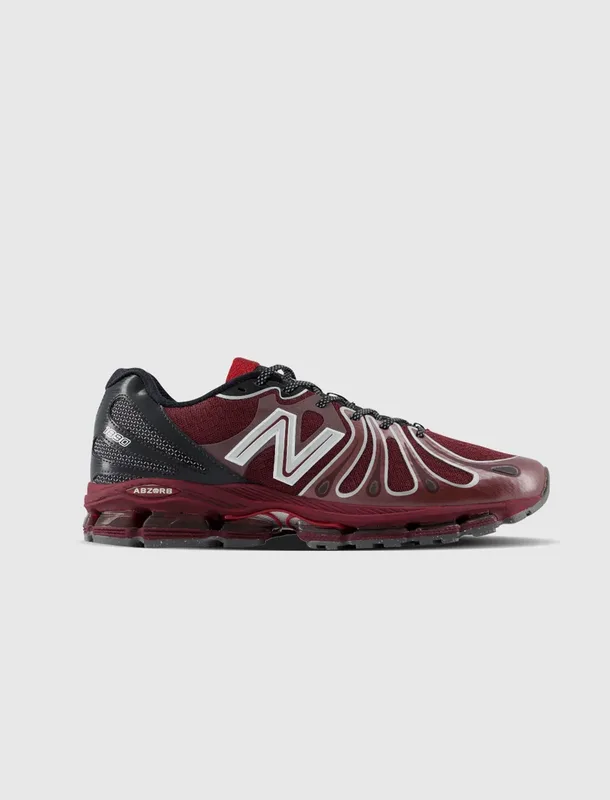
NEW BALANCE 1890
- Upper material
- mesh
- Cut
- Low top
Stated: mesh, Low top.
APB Store · USD · Price read 2026-11-16
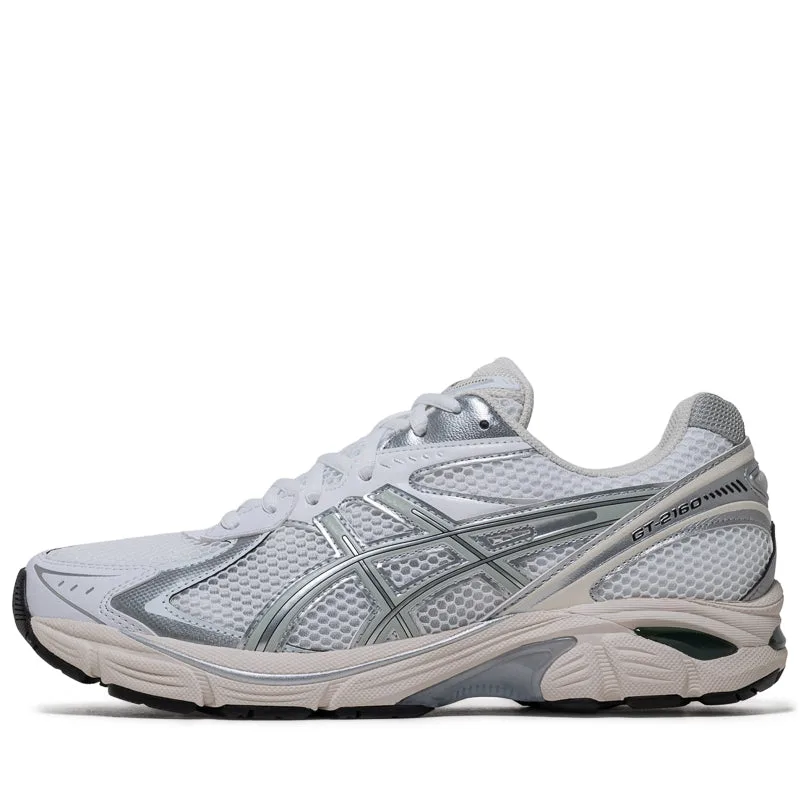
Asics GT-2160 - White/Cream
A tech runner listed at Sneaker Politics for high step counts and breathable everyday cushioning.
- Upper material
- Mesh
Stated: Mesh.
Sneaker Politics · USD · Price read 2026-11-16
Selection rule. Category runners-tech with stated upper or cut when available.
Low-top court & cupsole staples
Everyday wear that favors flat heel-to-toe balance. Check European/Millimeter sizing on stiff leather cupsoles.
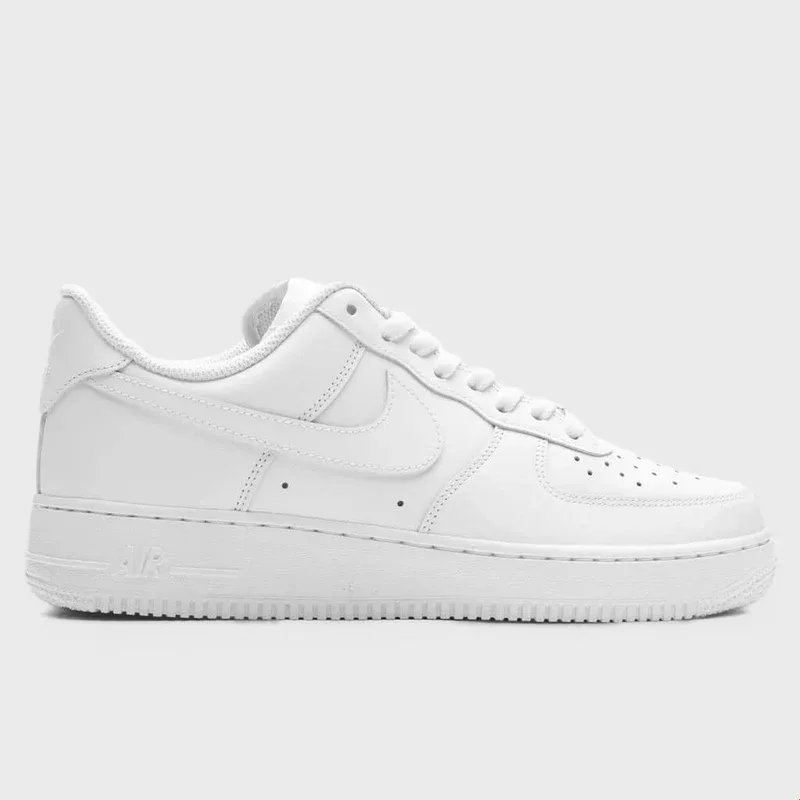
Air Force 1 '07 - Triple White
A low court leather sneaker listed at Feature for everyday sneaker rotation.
- Upper material
- leather
- Cut
- low
- Closure
- Lace-up
Stated: leather, low, Lace-up.
Feature · USD · Price read 2026-11-16
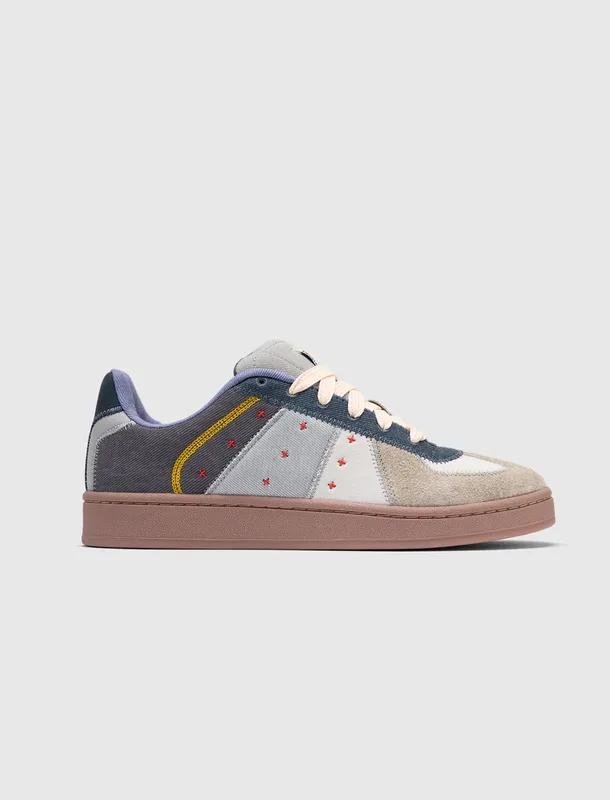
ADIDAS DND CAMPUS 00S
A low top skate/dunk sneaker listed at A Ma Maniere for daily street rotation and cupsole skate feel.
- Upper material
- suede
- Cut
- Low top
Stated: suede, Low top.
A Ma Maniere · USD · Price read 2026-11-16
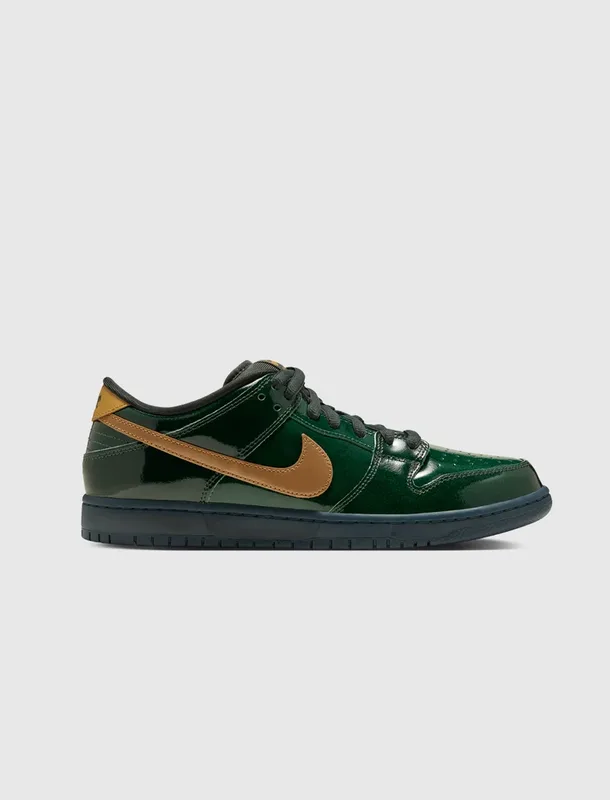
NIKE SB DUNK LOW PRO PREMIUM
- Upper material
- patent leather
- Cut
- LOW
Stated: patent leather, LOW.
APB Store · USD · Price read 2026-11-16
Selection rule. Category dunks-skate or lifestyle-court with product photo.
Retro basketball & high collars
Ankle framing with classic padded foam collars. Wide feet should evaluate half-size bumps on narrow leather retros.
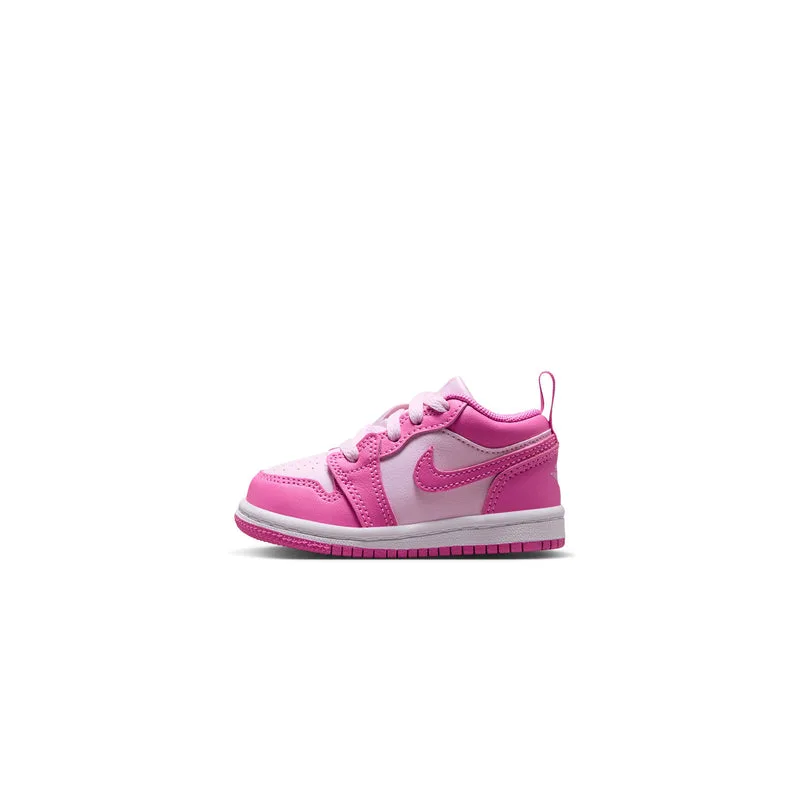
Air Jordan 1 Infants Low Shoes
A low retro sneaker listed at Extra Butter for weekend rotation and classic court heritage.
- Upper material
- Leather
- Cut
- Low
Stated: Leather, Low.
Extra Butter · USD · Price read 2026-11-16
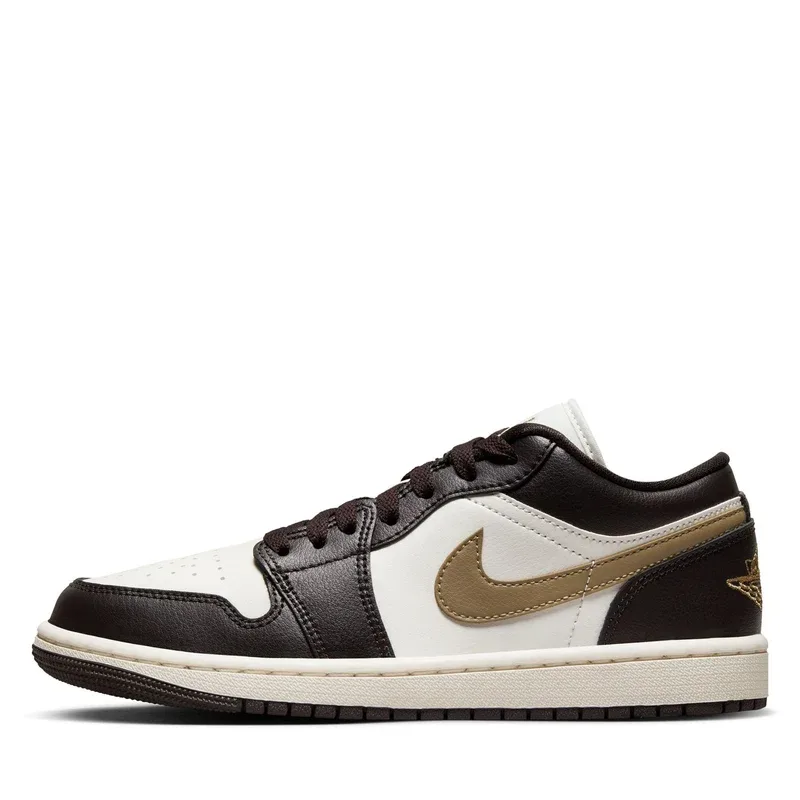
Women's Air Jordan 1 Low - Shadow Brown/Brown Kelp
A low retro sneaker listed at Sneaker Politics for weekend rotation and classic court heritage.
- Upper material
- Leather
- Cut
- Low
Stated: Leather, Low.
Sneaker Politics · USD · Price read 2026-11-16
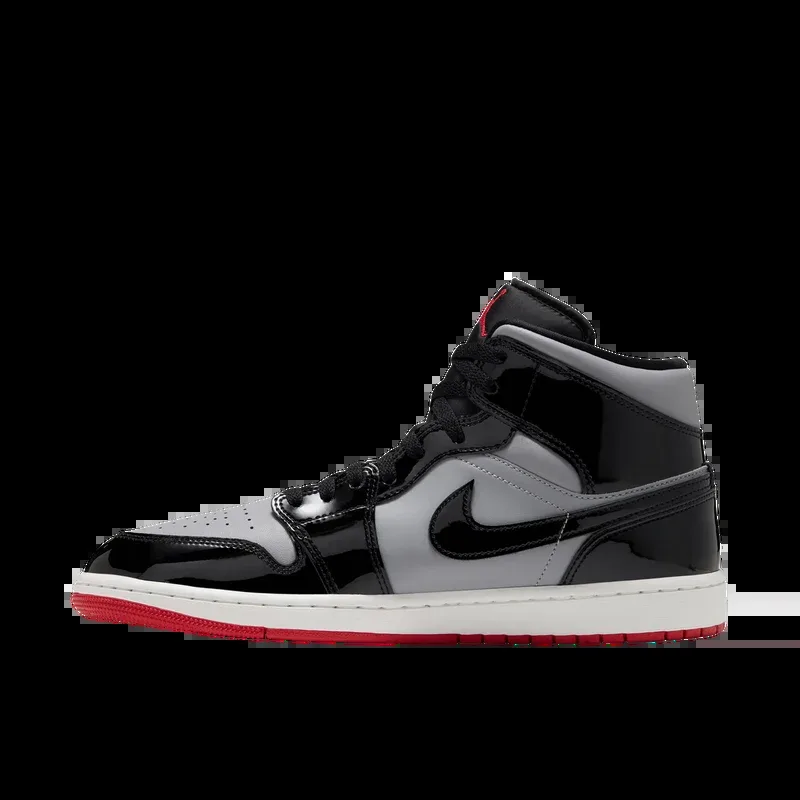
Air Jordan 1 Mid
A mid retro sneaker listed at Wish ATL for weekend rotation and classic court heritage.
- Upper material
- leather
- Cut
- Mid
Stated: leather, Mid.
Wish ATL · USD · Price read 2026-11-16
Selection rule. Category retro-jordans or basketball.
Sneaker reviewers on this topic
Each card opens the creator episode directly on YouTube. Quotes preserve exact video titles; creators do not work with ZeroCrease.

NIKE VOMERO 18 PLUS REVIEW + ON FEET! *COMFIEST SHOES IN THE WORLD*
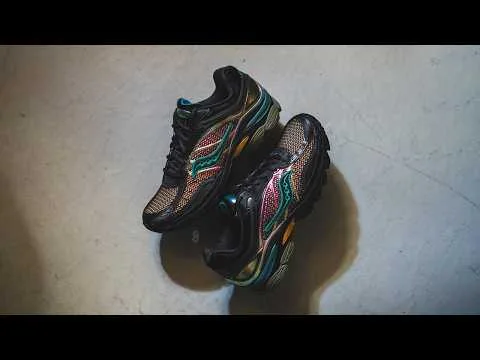
Afew x Saucony Progrid Omni 9 "Tara Hawk": Review & On-Feet
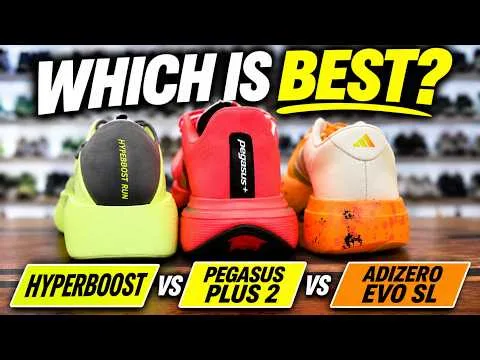
Nike Pegasus Plus 2 vs Adidas Evo SL vs Hyperboost – Which Is BEST?
Why it took Lems 15 Years to Make the Perfect Running Shoes - Zenspeed
A recurring theme. Reviewers compare midsole cushioning, forefoot volume, and half-size fit differences between Nike, Jordan, New Balance, and ASICS pairs.
Common mistakes
- Measuring feet while seated or late in the morning. Bare foot arches lengthen slightly under full standing weight and swell mildly after afternoon walks.1
- Assuming a US 10 fits identically in skate and running shoes. Different shoe lasts add varying wiggle room from 13 to 25 mm past bare foot length.1
- Ignoring half-size jumps on stiff narrow retros. Stepping up half a point in standard retail grading solves pinky-toe rub far cleaner than stretching tough full-grain leather.1
- Throwing away the shipping box before walking indoors. Specialty boutiques reject any return whose shoebox bears exterior carrier labels.4
Questions collectors ask
What does the centimeter or JP number inside a sneaker tongue mean?
That number reflects millimeter Mondopoint or Japanese sizing aligned closely to foot length around 210 mm upward for adults, moving cleanly in regular millimeter intervals.1
How much room should sit in front of my toes?
A finished shoe inner cavity normally exceeds bare foot length by around 15 mm so toes never mash into stiffened front toe boxes during strides.1
Why do my left and right sneakers fit differently?
Human feet naturally vary slightly from left to right; always fit both feet standing up and choose the size serving the larger foot.1
Are wide-width versions common in hype collaborations?
Rarely. Most boutique collaborations run exclusively on standard medium D lasts under strict limited-edition final-sale rules, so wide feet often need a careful half-size move upward.14
Can thicker flat laces tighten a slightly loose sneaker collar?
Slightly yes; flat woven cotton laces bite tighter inside eyelet notches than slippery round cord laces, anchoring ankles securely without crushing your instep.5
Sources
Sizing, suede cleaning, and return terms cite the public references listed below with exact read dates. How we research.
- Shoe size. Wikipedia. Read 2026-11-16.
- Returns & release policies. Wish ATL. Read 2026-11-16.
- Suede. Wikipedia. Read 2026-11-16.
- Store FAQ & launch return terms. Bodega. Read 2026-11-16.
- Shoelaces. Wikipedia. Read 2026-11-16.
Cite this guide: ZeroCrease, "Sneaker sizing and width guide: getting fit right first time," https://zerocrease.com/guides/sneaker-sizing-guide.html, updated 2026-11-16.